The Story Loop: How Closed-Loop Storytelling Keeps Your Audience Invested
Most content gets consumed once and forgotten.
A small percentage gets saved or shared. An even smaller percentage creates a follower — someone who actively waits for what’s next.
The difference between content that disappears and content that builds an audience usually comes down to one technique: closed-loop storytelling.
What Closed-Loop Storytelling Actually Is
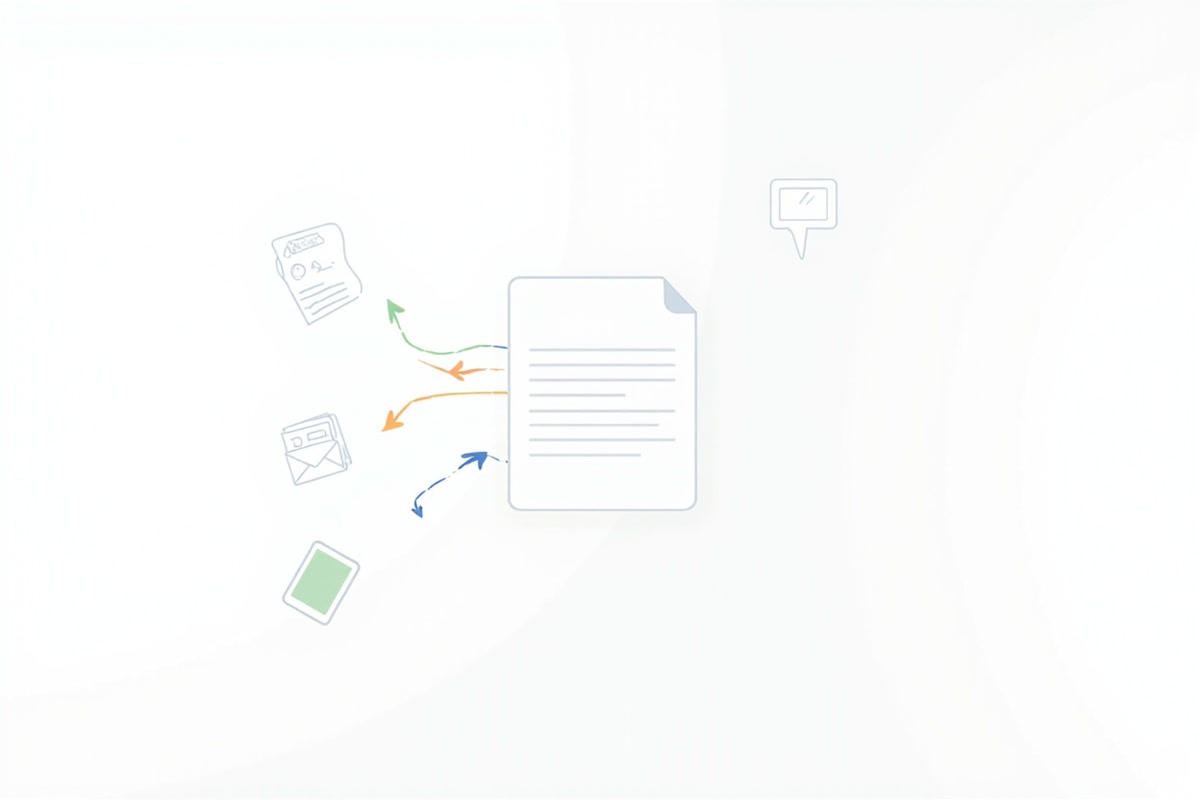
Closed-loop storytelling is a narrative technique where story arcs connect back to their origins. Each installment references what came before it and sets up what comes next. The audience doesn’t just consume — they follow a thread.
You see it everywhere once you know what to look for:
- TV series that reference their own catchphrases across seasons
- YouTube creators who structure content as part 1, part 2, part 3
- Brands that return to their founding story at every major milestone
The loop gives people a reason to stay inside the story, not just witness it.
Why It Works
Three reasons closed loops build real engagement:
Emotional investment. When audiences see callbacks and continuity, they feel like they’re inside the story — not just watching it from outside.
Anticipation. When people know a thread will eventually resolve, they stay tuned for updates.
Reinforcement without repetition. Each callback delivers your core message in a new context.
How to Build Your Story Loop
The process has four steps:
- Define your core message. One anchor that holds across every installment.
- Build a recurring touchstone. A character, theme, or format that evolves over time.
- Use callbacks strategically. Reference earlier content to show continuity.
- Close the loop — then open a new one. Bring the narrative full circle, then introduce the next chapter.
The Real Test
A story that loops keeps people inside it.
Ask yourself:
- What’s the one core narrative my audience should walk away knowing?
- Do I have recurring characters, themes, or symbols they can follow?
- Where are my strategic callback moments?
- When do I close a loop — and what opens from there?
Content that loops doesn’t just get consumed.
It builds a following.